Galloway says large employee equity stakes help retain talent
Scott Galloway, posting as a creator account, says in a video posted on November 20, 2026, that he gives employees two to three times the equity they would get at a venture-backed startup. He argues that a founder's cap table reveals their value system and that generous equity helps keep talent.
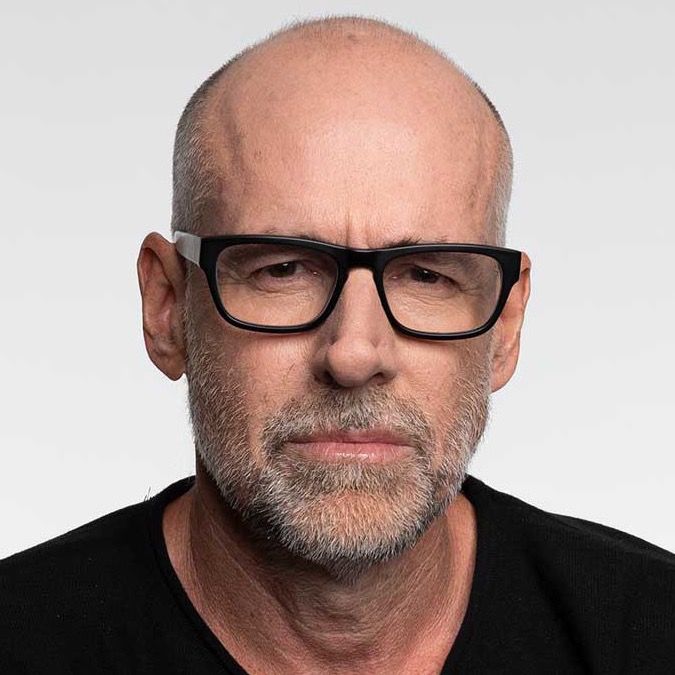
Scott Galloway said in a video posted on November 20, 2026, that he has built his success on keeping talented people and that his pay strategy is central to it. He said he has had successful exits of eight and nine figures, and that he kept strong staff when they were receiving offers from Google and Salesforce by combining economic and non-economic compensation.
Galloway said that on average he gives employees two to three times the equity they would get at a venture-backed startup. When he has exited a company, he said, he usually owned 30 to 40 or 50 percent, because he had given much of the equity away. He added that employees eventually recognise the value of that equity, through a secondary sale or something similar.
Show me a cap table and I'll show you the value system of the founders.
He described calls from other business owners who admire his ability to sell and scale but say they are struggling to create enterprise value. When he asks to see their cap tables, he said, the owners often reply that they and one other partner own the whole firm and that they are generous with young employees who learn a lot.
Galloway's answer to those owners is that employees may one day want their own home and want to become owners, not just earn good livings. He said a cap table shows a founder's values, and that a founder who owns a small share spread across many employees and one who owns 100 percent can both make a lot of money. The right approach, he said, depends on the person.
Key moments
Galloway says he gives employees on average two to three times the equity they would get at a venture-backed startup.
Galloway says that when he has exited companies he usually owned 30 to 40 or 50 percent, because he gave much of the equity away.
Galloway says other business owners who struggle to create enterprise value often keep ownership among a few partners.
Galloway says the right ownership structure depends on the person, and that both widely shared equity and full ownership can make a lot of money.
Credits
The video belongs to its creator. What the video says is its creator's own view, not Feel's. It is not financial advice. Summary written by Feel from the video and checked against its transcript.
Ask for removal